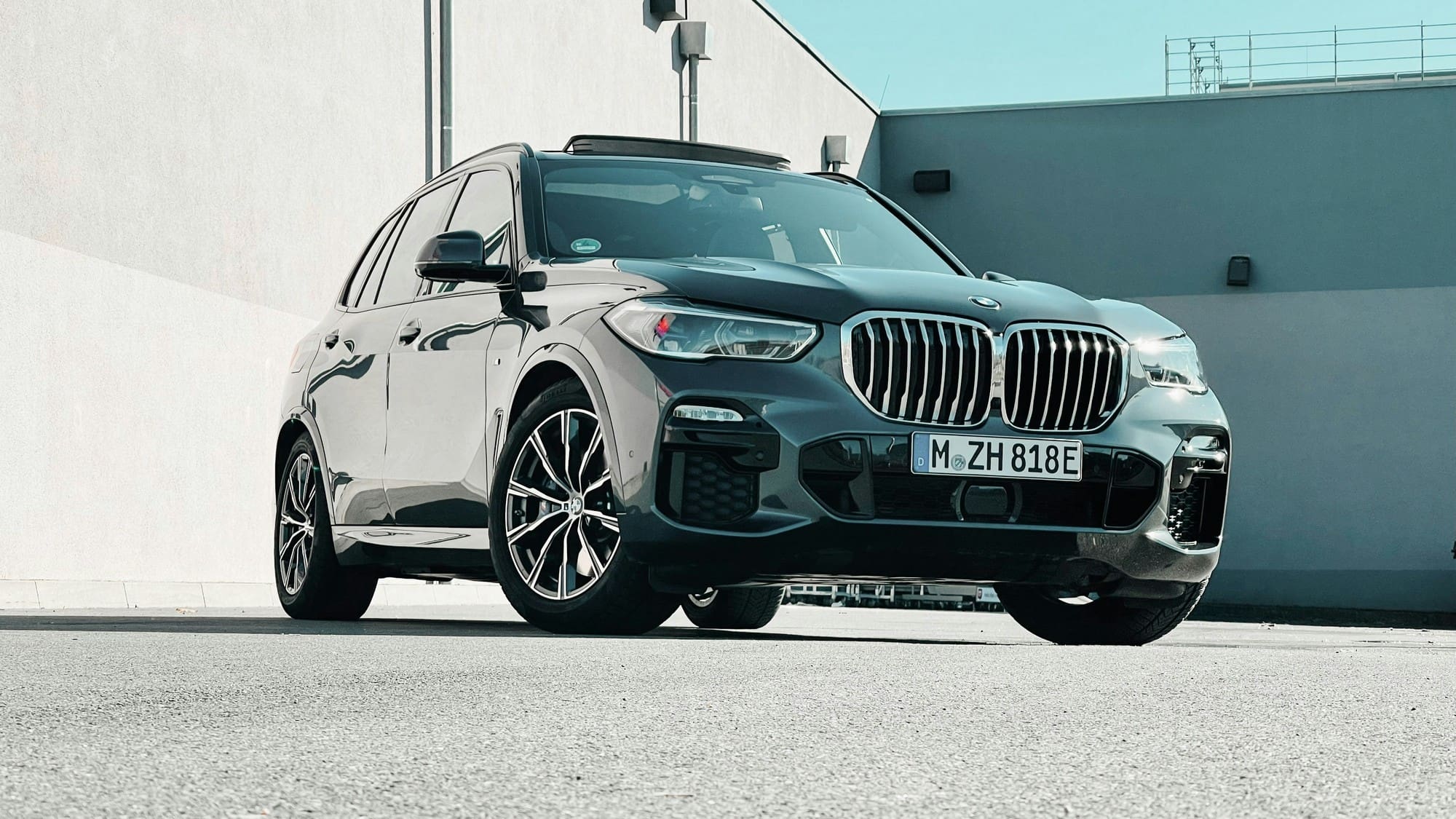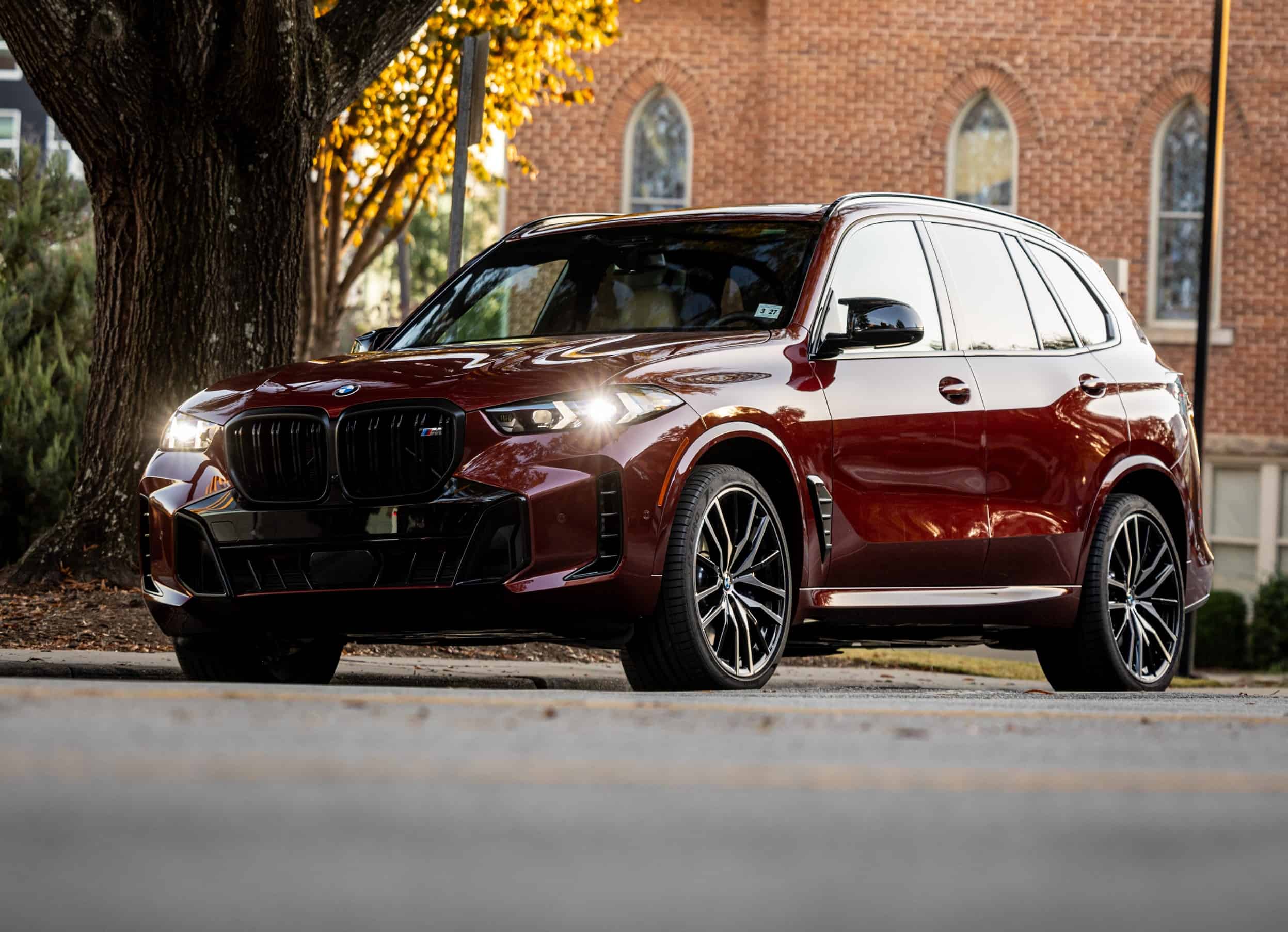




The car doesn’t change between Tuesday and Friday. The price does. Here’s how to let timing, stock cycles, and human nature do the work for you.
Car prices move in quiet rhythms. Dealers live and die by targets, not astrology. End of month and end of quarter matter because managers care about bonus ladders; a car sold at a thinner margin is still a car counted. If the car you want has been online for four weeks and the photos look like they were taken in a hurry, that’s oxygen for your negotiation.
Model-year changeovers are another lever. When the facelift arrives with a sharper bumper and a bigger screen, yesterday’s stock becomes tomorrow’s problem. You don’t need the new one; you need the old one discounted.
Seasonality is unglamorous and effective: soft-top convertibles become sensible in autumn; 4x4s become less mythical in spring. Swim against the tide. You’re not being romantic—you’re being cheap in a clever way.
Then there are fleet offloads: end-of-lease waves that hit the market at once. When you can compare six near-identical cars in a radius of 50km, you negotiate like an adult with options, not a pilgrim with hope.
Do some light homework. Set alerts for your exact spec—engine, trim, colour you can live with. Track days-on-market and note each price drop. When a car crosses the 28-day mark without moving, the market has spoken. Your offer should echo it, calmly, in writing.
There’s a red flag too: the freshly listed “unicorn” underpriced by 10%. If you want it, move first and think later—or step aside and let the feeding frenzy run. Not every “deal” is for mortals.